


Balancing Act Achieving Hormonal Harmony While Managing Fatty Liver Disease
- dietitiankaveri
- May 8
- 3 min read

Fatty liver disease is more than just a liver issue. It can disrupt your body's delicate hormonal balance, affecting key hormones like insulin, estrogen, and cortisol. Understanding this connection is crucial for managing both liver health and hormone levels effectively. This post explores how fatty liver impacts hormones, the role of diet and lifestyle in managing these conditions, and practical steps you can take to support your liver and hormonal health.
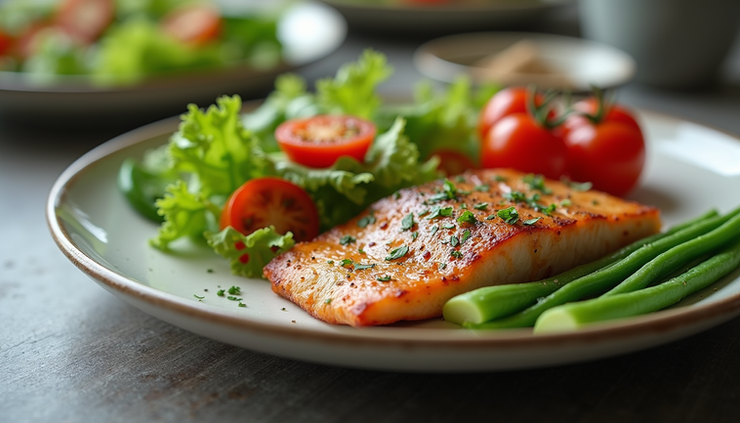
How Fatty Liver Disease Affects Hormonal Balance
Fatty liver disease occurs when excess fat builds up in liver cells. This buildup can interfere with the liver’s ability to regulate hormones, leading to imbalances that affect overall health.
Insulin Resistance and Fatty Liver
Insulin is a hormone that controls blood sugar levels. Fatty liver often goes hand-in-hand with insulin resistance, where the body’s cells don’t respond properly to insulin. This causes the pancreas to produce more insulin, leading to high insulin levels in the blood. Over time, this can increase the risk of type 2 diabetes and worsen liver damage.
Estrogen Imbalance Linked to Fatty Liver
The liver helps break down and remove excess estrogen from the body. When fatty liver disease impairs liver function, estrogen can accumulate, causing hormonal imbalances. This may lead to symptoms like weight gain, mood swings, and irregular menstrual cycles in women. Men can also experience hormonal disruptions, including lowered testosterone levels.
Cortisol and Stress Response
Cortisol, known as the stress hormone, is regulated partly by the liver. Fatty liver disease can disrupt cortisol metabolism, leading to elevated cortisol levels. High cortisol can increase fat accumulation, especially around the abdomen, and worsen insulin resistance, creating a cycle that harms both liver and hormonal health.
The Role of Diet in Managing Fatty Liver and Hormones
Diet plays a critical role in managing fatty liver disease and maintaining hormonal balance. Certain foods can reduce liver fat and improve insulin sensitivity, while others may worsen inflammation and hormone disruption.
Foods That Support Liver and Hormonal Health
Fruits and Vegetables: Rich in antioxidants and fiber, they help reduce inflammation and support liver detoxification.
Whole Grains: Provide steady energy and improve insulin response.
Lean Proteins: Sources like fish, chicken, and legumes support liver repair and hormone production.
Healthy Fats: Omega-3 fatty acids from fish, flaxseeds, and walnuts reduce liver fat and balance hormones.
Green Tea: Contains compounds that may improve liver function and insulin sensitivity.
Foods to Limit or Avoid
Added Sugars and Refined Carbs: These increase liver fat and worsen insulin resistance.
Alcohol: Even moderate drinking can damage the liver and disrupt hormones.
Processed Foods: Often high in unhealthy fats and additives that promote inflammation.
Excessive Red Meat: Linked to increased liver fat and hormonal imbalance in some studies.
Lifestyle Habits That Improve Liver and Hormonal Health
Beyond diet, lifestyle choices have a strong impact on fatty liver and hormone levels.
Regular Physical Activity
Exercise helps reduce liver fat and improves insulin sensitivity. Aim for at least 150 minutes of moderate aerobic exercise weekly, such as brisk walking, cycling, or swimming. Strength training twice a week also supports muscle mass and hormone balance.
Stress Management
Chronic stress raises cortisol levels, which can worsen fatty liver and hormonal imbalances. Techniques like meditation, deep breathing, yoga, or spending time in nature can lower stress and support liver health.
Adequate Sleep
Poor sleep disrupts hormone production and increases insulin resistance. Strive for 7 to 9 hours of quality sleep per night to help your body repair and maintain balance.
Avoid Toxins
Limit exposure to environmental toxins such as pesticides, chemicals, and pollutants that burden the liver and disrupt hormones. Choose organic produce when possible and avoid unnecessary medications or supplements without medical advice.
Practical Tips to Support Liver Health and Hormonal Balance
Here are actionable steps you can take to improve your liver function and hormone levels:
Eat balanced meals with plenty of fiber, lean protein, and healthy fats.
Cut back on sugar and processed foods to reduce liver fat and insulin spikes.
Stay active with regular aerobic and strength exercises.
Practice stress reduction daily to keep cortisol in check.
Prioritize sleep by maintaining a consistent bedtime routine.
Stay hydrated to help your liver flush out toxins.
Schedule regular check-ups to monitor liver enzymes and hormone levels.
Consult a healthcare provider before starting supplements or drastic diet changes.
Understanding the Connection Empowers Better Health Choices
Fatty liver disease and hormonal imbalances are closely linked through complex metabolic pathways. By recognizing how liver health affects hormones like insulin, estrogen, and cortisol, you can take targeted steps to improve both. Diet and lifestyle changes offer powerful tools to reduce liver fat, restore hormone balance, and enhance overall well-being.
Comments